
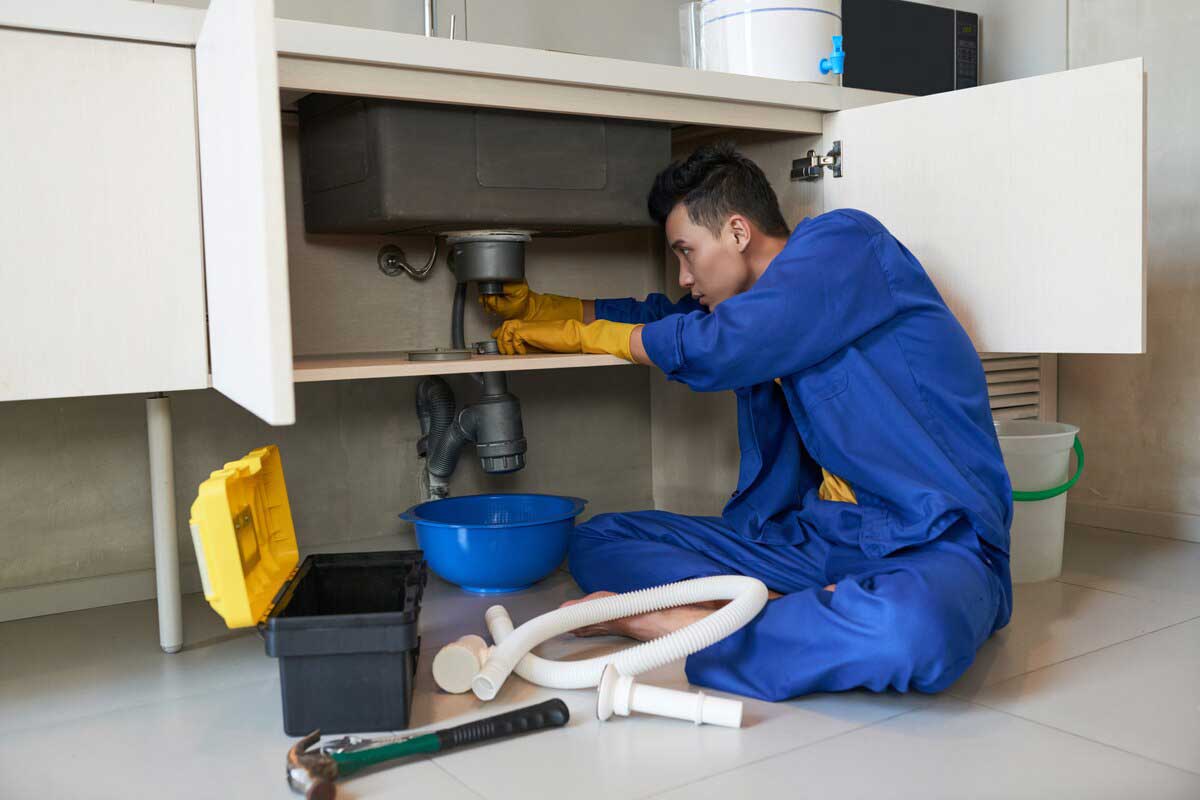
What’s Covered (And Not Covered) by Plumbers Insurance
In the real world, a supply line fails after an install, a torch ignites nearby materials, or a customer trips over hoses in a work area. Plumbers Insurance—a contractor‑tailored package centered on Commercial General Liability (CGL) and complemented by tools & equipment (inland marine), commercial auto, workers’ comp, and often contractors’ pollution liability (CPL) and contractors’ professional liability (E&O)—helps pay defense costs, medical bills, and settlements when third‑party injury or property damage occurs.
Below, we unpack what the GL part of Plumbers Insurance typically covers, what it doesn’t, and the add‑ons most plumbing companies carry to close gaps.
What Is Plumbers’ Insurance?
Plumbers Insurance isn’t a single policy. It’s a bundle built for plumbing risks:
- General Liability (CGL)—third‑party bodily injury, property damage, and personal/advertising injury; the standard ISO GL form (CG 00 01) also includes Medical Payments for small injuries regardless of fault. Most small‑business GL is occurrence‑based.
- Tools & Equipment (Inland Marine)—covers movable gear, such as press tools, threaders, jetters, and sewer cameras, in transit or at job sites.
- Commercial Auto—for at‑fault crashes and vehicle damage; GL won’t cover auto accidents.
- Workers’ Compensation—required in most states once you have employees.
- Contractors Pollution Liability (CPL)—addresses mold/bacteria/sewage and other pollution exposures that GL largely excludes.
- Contractors Professional Liability (E&O)—helps with claims alleging negligent design/specs/advice; commonly claims‑made.
2025 market context: Rates have eased in many lines, but casualty (liability) remains under pressure—up ~9% in the US in Q2‑2025, with “nuclear verdicts” cited as a driver. That puts a premium on well‑structured coverage and documented safety controls.
What Is Covered By The GL Portion
Most standard CGL policies for plumbers include these core protections:
Bodily Injury
Pays medical expenses, legal defense, and settlements if a third party is injured by your operations (e.g., a client trips in a work area).
Property Damage
Pays to repair/replace others’ property you damage—like water damage from a failed fitting after completion (products‑completed operations applies).
Personal & Advertising Injury
Coverage for specified offenses such as libel, slander, or certain copyright/trademark disputes tied to your advertising, subject to policy terms.
Medical Payments (Coverage C)
Small medical bills paid without regard to fault to smooth minor incidents on premises.
How limits typically work: CGL includes an Each Occurrence limit, a General Aggregate, and a separate Products‑Completed Operations Aggregate—all spelled out in ISO CG 00 01.
What’s Not Covered By Plumbers GL (and What to Use Instead)
- Employee injuries → Not GL. Use Workers’ Compensation (mandated in most states once you have employees).
- Your own building, tools, or materials → Not GL. Use Commercial Property for buildings/contents and Inland Marine for mobile tools/equipment and materials awaiting installation (installation floater).
- Auto accidents → Not GL. Use Commercial Auto.
- Pollution, mold, bacteria, sewage → GL includes an absolute/total pollution exclusion; plumbers often need CPL for these claims.
- Faulty workmanship / “your work” → GL generally won’t pay to redo your defective work, though it can cover resulting third‑party damage; details depend on policy wording and case law.
- Professional errors (design/specs/advice) → Not GL. Use Contractors E&O (usually claims‑made).
- Contractual liability (broad promises to indemnify) → GL excludes most assumed liabilities unless they meet the policy’s “insured contract” definition (e.g., many lease/GC agreements).
- Cyber/data breaches → Typically excluded or limited under GL; consider Cyber Liability.
- Product recall/withdrawal (“sistership” exclusion) → GL usually excludes the cost to recall or rework products; separate recall coverage is needed if applicable.
- Intentional, criminal, or illegal acts → Excluded under standard GL terms. (See CG 00 01 exclusions framework.)
Common Coverage Gaps & Smart Add‑Ons For Plumbers
Business Owner’s Policy (BOP)
Bundles GL + property + business income; typically excludes workers’ comp, commercial auto, cyber, and professional liability (those are separate).
Tools & Equipment (Inland Marine)
Covers mobile gear (press tools, jetters, sewer cameras)—a must for theft‑prone and in‑transit equipment.
Contractors Pollution Liability (CPL)
Addresses mold/bacteria/sewage events commonly excluded in GL.
Contractors E&O (Professional Liability)
Helps when design/spec/layout or code‑compliance advice is alleged to be negligent.
Umbrella/Excess Liability
Adds higher limits over GL (and often auto/employers liability). Note: excess E&O is separate.
Cyber Liability
Covers breach response, notifications, and third‑party liability that GL usually won’t.
Why Understanding Coverage & Exclusions Matters
- Avoid financial exposure. Misreading GL’s pollution or your‑work exclusions can leave major gaps for plumbers—especially on water‑damage and sewage jobs.
- Policy fit by trade. Plumbing operations rely on completed‑operations and tools coverage far more than many office‑based firms.
- Meet legal/contractual obligations. Landlords, GCs, and municipalities often require proof of GL (and specific endorsements) before you can start work.
- 2025 headwinds. With US casualty rates up ~9% in Q2‑2025 and large verdicts in the headlines, underwriters scrutinize water‑damage controls, hot‑work practices, and contract risk transfer.
Build A Complete Plumbing Insurance Strategy
GL remains your first line of defense for third‑party injury and property damage—but it won’t fix your own faulty work, cover pollution, or handle vehicle accidents. Round it out with the right inland marine, auto, workers’ comp, and (when needed) CPL/E&O, and consider a BOP to bundle GL + property + business income. Most GL forms are occurrence‑based, while E&O/CPL are often claims‑made—know your triggers and retro dates.
Want help dialing in coverage to your exact scope (service/repair, remodels, new construction, jetting/trenchless)? Get a tailored quote from Plumbers Insurance US and close the gaps before your next job.

General Liability Insurance US was created to solve a simple but frustrating problem: roofing business owners were spending hours trying to understand general liability insurance — comparing policies, deciphering jargon, and hoping they chose the right provider.